
What to Expect in a Job Interview: A Guide for Newcomers to Canada For newcomers to Canada, a job interview can feel unfamiliar and stressful—especially
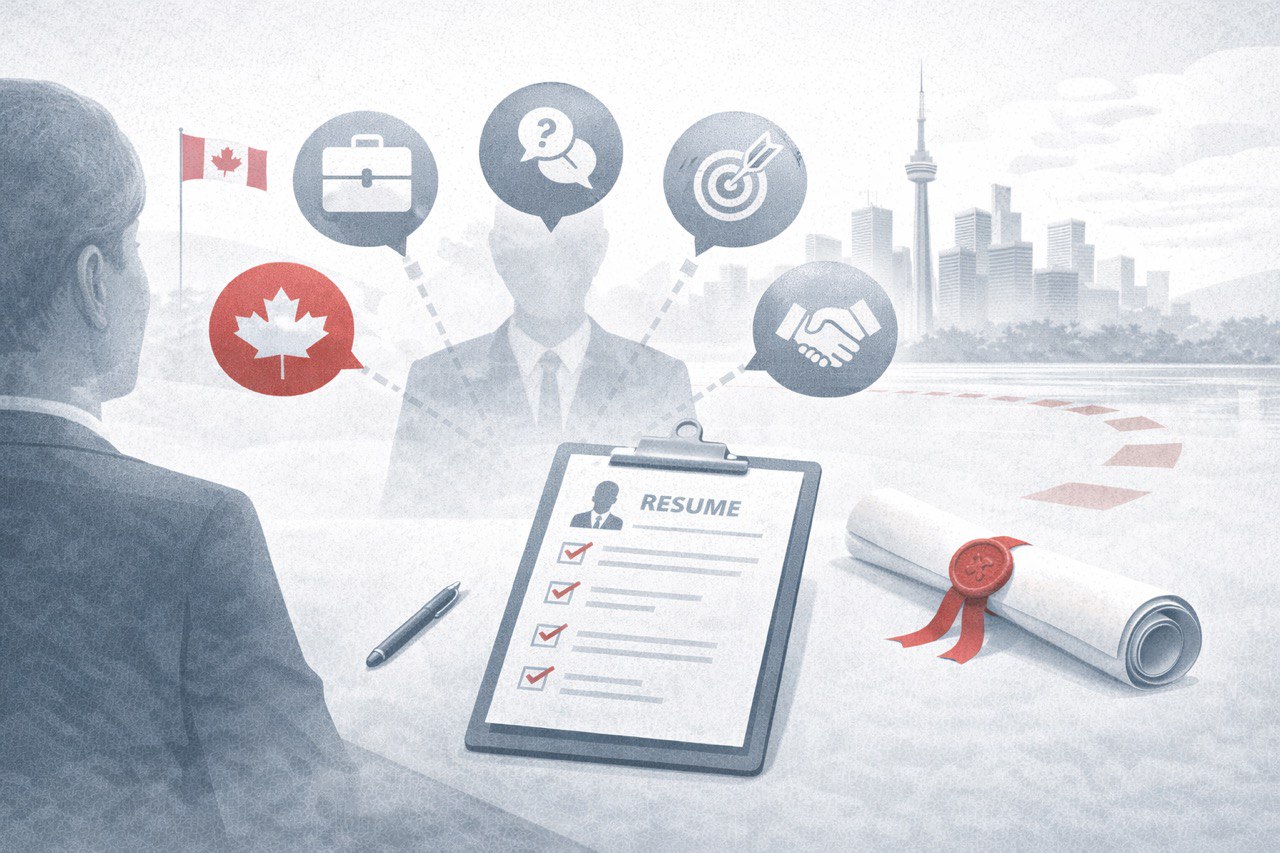
What to Expect in a Job Interview: A Guide for Newcomers to Canada
For newcomers to Canada, a job interview can feel unfamiliar and stressful—especially if you are not yet comfortable with Canadian workplace culture. Understanding what employers expect and how interviews are typically conducted can significantly improve your confidence and chances of success. This guide explains what to expect in a Canadian job interview and how to prepare effectively.
Quick Navigation
1. The Purpose of a Job Interview in Canada
In Canada, job interviews are not only about technical skills. Employers also want to assess: Communication skills, Problem-solving ability, Teamwork and interpersonal behavior, Cultural fit with the organization, and Professional attitude and reliability. Your experience matters, but how you explain it and how you interact during the interview is equally important.
2. How to Prepare Before the Interview
Research the employer
Before the interview, learn about the company by reviewing its website, LinkedIn page, and recent news. Understand: What the company does, Its values and work culture, and How your role contributes to the organization.
Review your resume
Be ready to discuss your work history clearly. Focus on experiences that are most relevant to the position and prepare real examples to support your answers.
Practice common interview questions
Typical questions include: “Tell me about yourself.”, “Why do you want to work for this company?”, “What are your strengths and weaknesses?”, and “Describe a challenge you faced at work and how you handled it.” Practicing aloud can help you feel more confident, especially if English or French is not your first language.
3. Common Types of Interview Questions
Behavioral questions
These questions focus on past experiences, such as: “Tell me about a time you had a conflict at work and how you resolved it.” Employers want to see how you behave in real situations.
Situational questions
These are hypothetical scenarios, for example: “What would you do if you had a tight deadline and limited resources?” Your reasoning and approach matter more than having a perfect answer.
Technical or role-specific questions
Depending on the job, you may be asked technical questions or asked to complete a short task or assessment.
4. Interview Communication Style in Canada
Canadian employers generally value answers that are: Clear and structured, Honest and professional, and Positive and solution-focused. Using real examples helps demonstrate your skills. Showing that you can work well with others and adapt to challenges is especially important.
5. Questions You Should Ask the Employer
At the end of the interview, you are usually asked if you have any questions. This is a good opportunity to ask about: Team structure and work environment, Job expectations and responsibilities, Training and growth opportunities. Asking thoughtful questions shows genuine interest and professionalism.
6. Dress Code and Professional Etiquette
While dress codes vary by industry, it is generally best to: Dress professionally or business casual, Arrive on time (or log in early for virtual interviews), Greet interviewers politely and confidently, Maintain respectful eye contact, and Thank the interviewer at the end. Being polite, calm, and respectful leaves a strong impression.
7. After the Interview
After the interview: Send a brief thank-you email within 24 hours, Restate your interest in the position, and if no response is received within the expected timeframe, follow up politely. These steps demonstrate professionalism and strong communication skills.
Final Tips for Newcomers
To succeed in Canadian job interviews: Prepare thoroughly, Practice your answers, Be confident but humble, Focus on communication and teamwork, and Stay professional before, during, and after the interview. With preparation and practice, job interviews in Canada can become a positive and rewarding experience for newcomers.
Need professional guidance for your career in Canada? Contact i2Canada experts today:

