
Global demand for second citizenship and alternative passports has increased significantly in recent years. Individuals and families worldwide are seeking long-term security, greater mobility, and
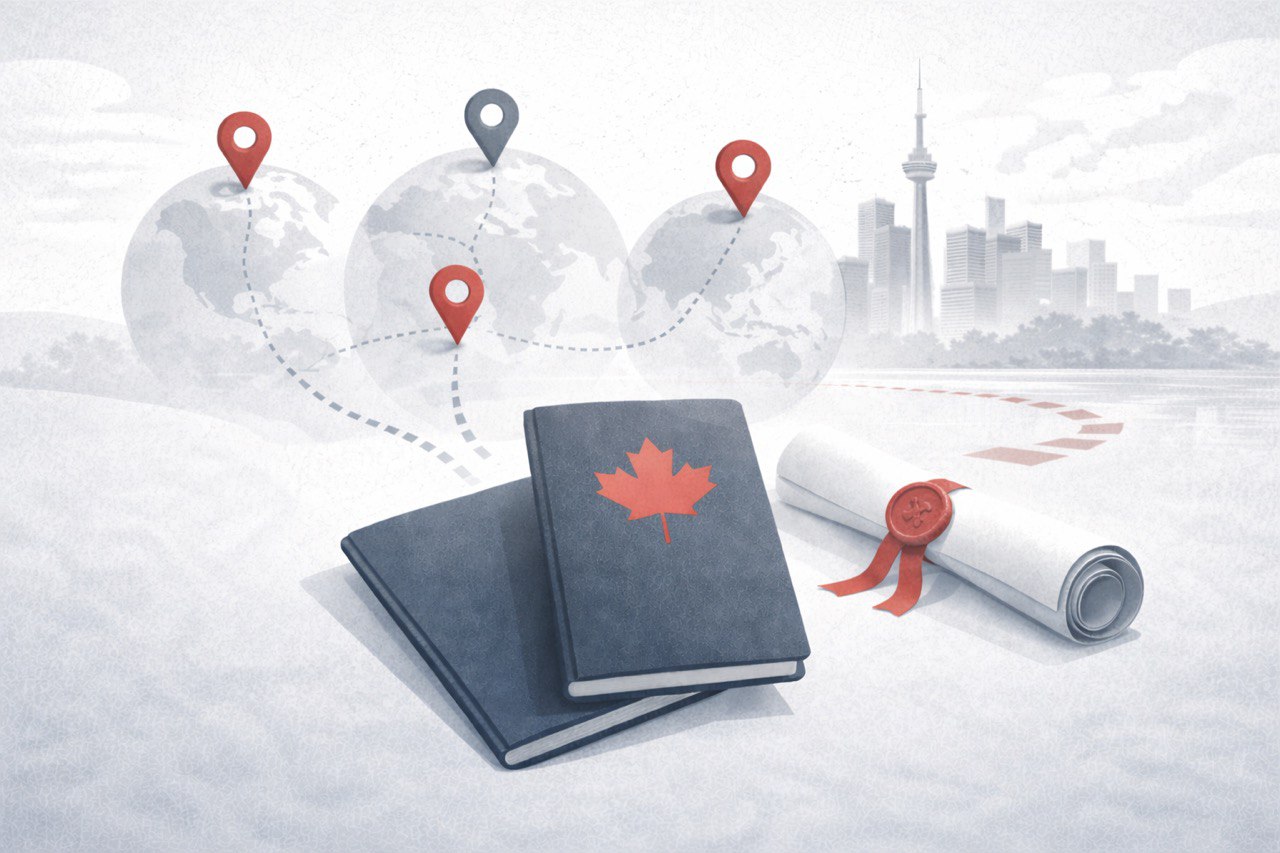
Global demand for second citizenship and alternative passports has increased significantly in recent years. Individuals and families worldwide are seeking long-term security, greater mobility, and access to stable systems. Canada has now emerged as a key player in this trend following the landmark Bill C-3 legislation in December 2025.
This new law has reopened citizenship pathways for many individuals who were previously excluded under older, more restrictive legislation. In this article, we explore how Bill C-3 changes the landscape of Canadian citizenship by descent.
Table of Contents (Quick Access)
1) Bill C-3: A Major Shift in Canadian Citizenship Law
On December 15, 2025, Canada passed Bill C-3, formally amending the Citizenship Act. This legislation addressed the “First Generation Limit” (FGL) which previously prevented children born outside Canada from inheriting citizenship if their parents were also born outside Canada.
Now, those born before December 15, 2025, who can demonstrate a direct family connection to a Canadian citizen parent or grandparent may be eligible for citizenship by descent, regardless of where their parents were born.
2) Understanding Dual and Multiple Citizenship
Canada permits dual and multiple citizenship. Individuals who become Canadian citizens are not required to renounce their existing nationality by the Canadian government.
Note: While Canada allows dual status, your ability to retain your original citizenship depends entirely on the laws of your home country.
3) Benefits of the Canadian Passport in 2026
The Canadian passport remains one of the most powerful travel documents globally, offering unparalleled advantages:
| Benefit Category | Details |
|---|---|
| Global Mobility | Visa-free access to 180+ countries |
| Domestic Rights | Right to live, work, and study without a permit |
| Consular Protection | Access to Canadian government support abroad |
4) Why Demand for Second Passports is Rising
Second citizenship has become a strategic tool for stability. Key drivers include:
- Political and economic uncertainty in various global regions.
- The desire for increased international mobility for business and travel.
- Long-term family security and better healthcare/education opportunities.
- A “Plan B” strategy in an increasingly unpredictable world.
5) How to Apply Under the New Rules
The process for “Proof of Citizenship” under Bill C-3 is straightforward but requires meticulous documentation:
- Verify Lineage: Confirm your parent or grandparent’s Canadian citizenship status.
- Apply to IRCC: Submit an application for a Citizenship Certificate (Proof of Citizenship).
- Obtain Passport: Once your certificate is issued, you can apply for your Canadian passport immediately.
*Note: This process typically does not require physical presence or permanent residency in Canada.
📞 Do you qualify for Canadian Citizenship by Descent?
Our team at i2Canada, led by a Regulated Canadian Immigration Consultant (RCIC), can help you navigate the complexities of Bill C-3 and secure your Canadian passport.
Contact us today via WhatsApp for a professional assessment of your eligibility: