Six Healthcare Jobs Being Prioritized for Permanent Residence (2 Years of College or Less) Canada is placing a growing priority on healthcare workers as part
Six Healthcare Jobs Being Prioritized for Permanent Residence (2 Years of College or Less)
Canada is placing a growing priority on healthcare workers as part of its immigration strategy, especially through the Express Entry system. Certain healthcare occupations that require two years of college education or less can offer a pathway to permanent residence for international graduates and experienced workers. These priority occupations are particularly appealing because they can help candidates qualify for category-based Express Entry draws, which sometimes have lower Comprehensive Ranking System (CRS) cut-off scores than general draws — increasing the chance of receiving an Invitation to Apply (ITA).
Quick Navigation
Priority Healthcare Occupations (2 Years or Less)
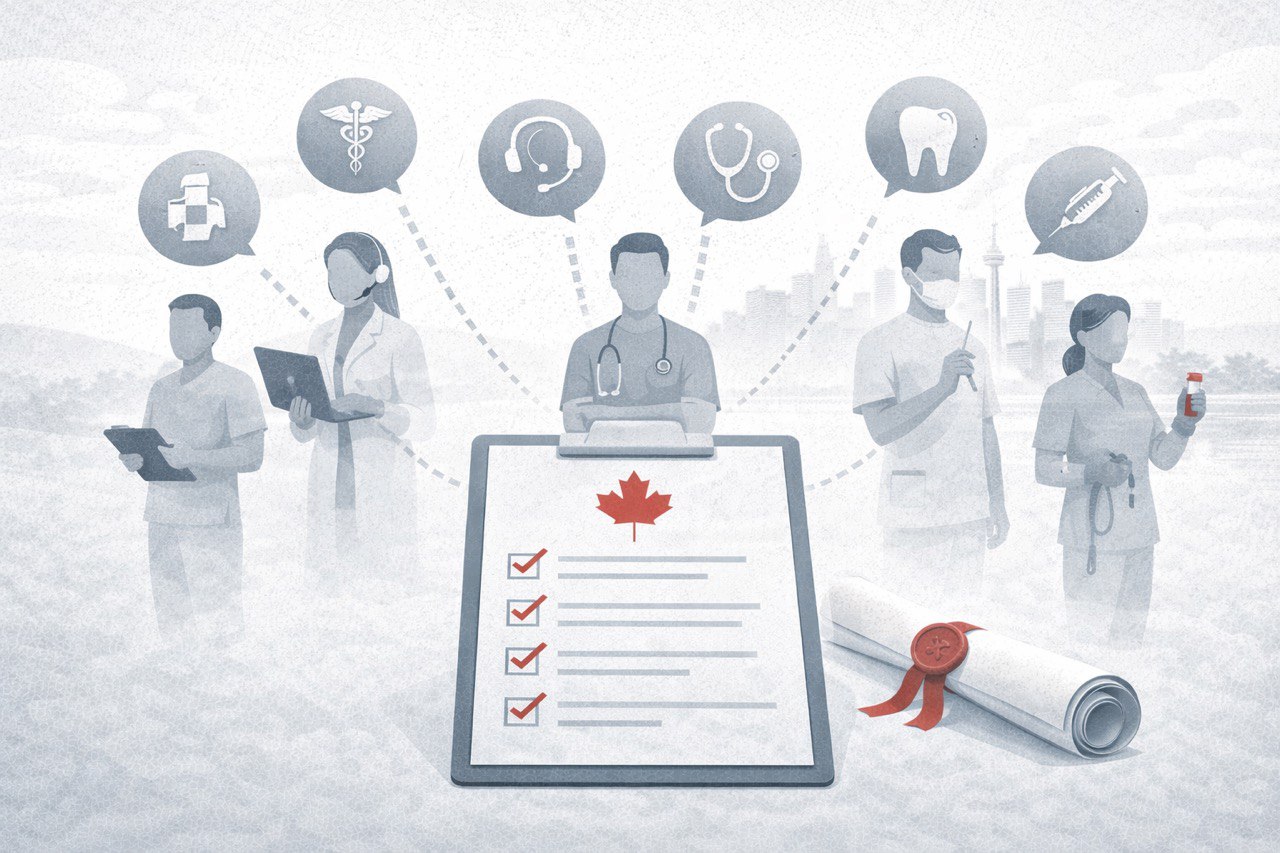
The following six healthcare jobs typically require two years or less of college education:
1. Medical Laboratory Assistants and Related Technical Occupations (NOC 33101)
- Typically a one-year college program.
2. Nurse Aides, Orderlies and Patient Service Associates (NOC 33102)
- Usually 6–12 months of training.
3. Other Technical Occupations in Therapy and Assessment (NOC 32109)
- Typically requires around two years of post-secondary education.
4. Paramedical Occupations (NOC 32102)
- Generally 1–2 years of college.
5. Pharmacy Technical Assistants and Pharmacy Assistants (NOC 33103)
- Usually 6–12 months of education.
6. Pharmacy Technicians (NOC 32124)
- Typically a two-year college diploma.
Licensing and Regulatory Requirements
These roles are often in regulated professions in many provinces, meaning that in addition to education, licensing or certification by the relevant regulatory body may be required before you can work in the field. This often involves work placements or supervised practical training and passing official licensing exams. Licensing requirements vary by province.
How Healthcare Occupations Are Prioritized for Permanent Residence
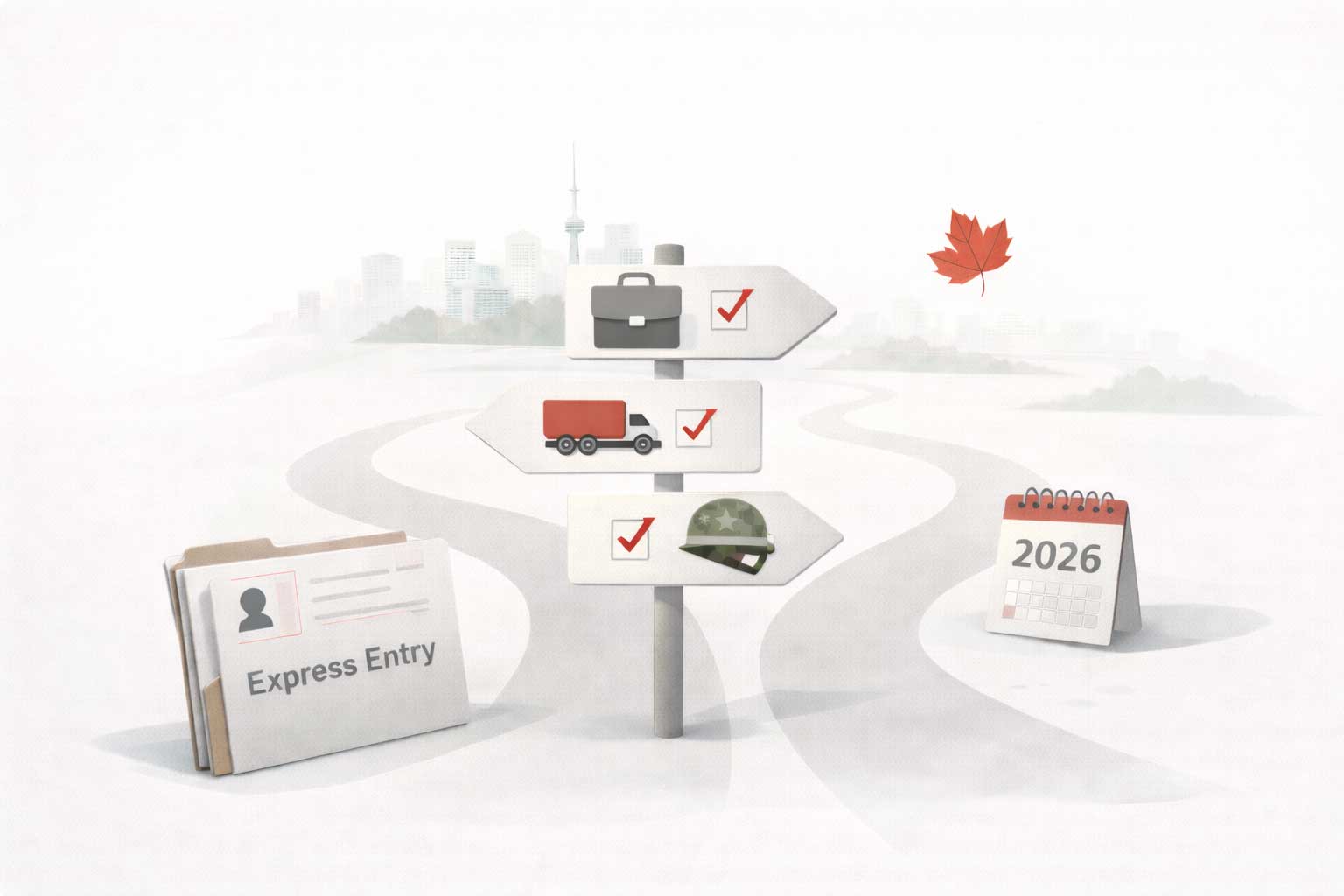
Canada uses a program called Express Entry to manage many economic-immigration pathways, including the Canadian Experience Class (CEC), Federal Skilled Worker Program (FSWP), and Federal Skilled Trades Program (FSTP). To pursue permanent residence through Express Entry, applicants must: Take an approved immigration language test, meet the minimum requirements for one of the eligible programs, create an Express Entry profile, and receive an Invitation to Apply (ITA).
In addition to regular draws based on overall CRS scores, Canada occasionally holds category-based draws for priority occupations, such as healthcare and social services. To qualify for these category-based draws, candidates must have at least six months of full-time work experience (or equivalent part-time experience) in a single eligible occupation within the last three years.
Category-based draws allow IRCC to invite candidates based on demand in specific occupations — which often means lower CRS minimum scores than general draws. For example, recent healthcare and social services category draws between October 2025 and January 2026 had cut-offs between 462 and 476, whereas general CEC draw cut-offs over the same period ranged from 509 to 534.
Why These Jobs Are Important for Immigration
Healthcare sectors across Canada face ongoing labour shortages due to aging populations and increased demand for medical services. By prioritizing skilled healthcare workers, Canada aims to address workforce gaps while also encouraging international graduates and experienced workers to remain in the country permanently. Because many of these roles require only a relatively short period of post-secondary education, they can be attractive options for international students who want to enter the Canadian workforce quickly after graduation, build Canadian work experience that supports permanent residence, and improve their chances in Express Entry through category-based draws.
Key Takeaways
- Canada has identified several healthcare occupations with short college programs that are prioritized for permanent residence through Express Entry category-based draws.
- These occupations typically require two years of college or less, making them accessible pathways.
- Category-based draws can result in lower CRS cut-offs and better chances of receiving an ITA.
- Regulatory licensing may still be required before you can work in these roles.
Ready to start your healthcare career in Canada? Contact i2Canada for professional immigration support: